
Essential Car Maintenance Tips Every Driver Should Know (2025 Guide)
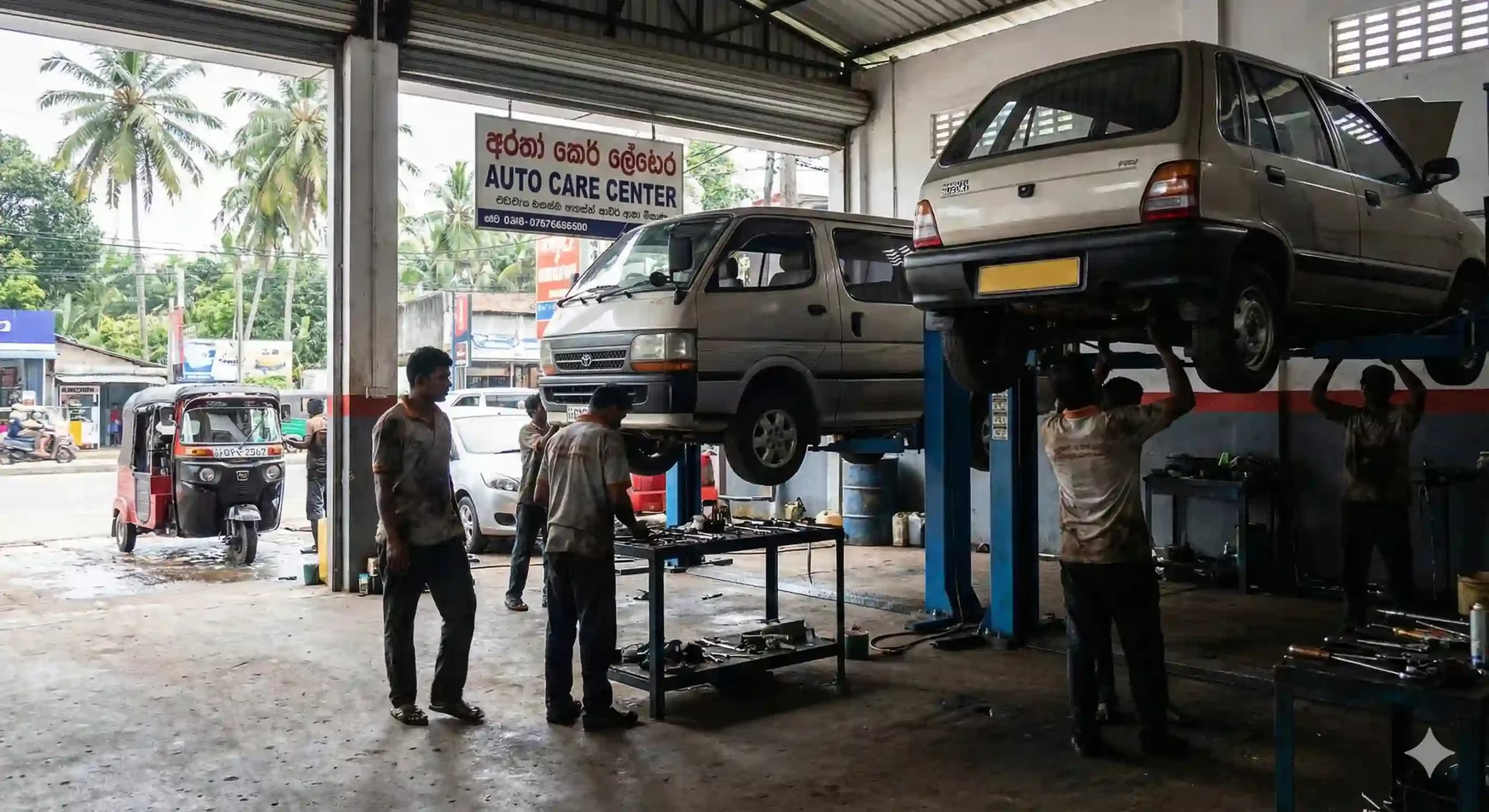
Keeping a car in good condition isn’t just about avoiding expensive repairs it’s about safety, performance, and long-term reliability. Modern vehicles are designed to be durable, but every machine needs care. When routine maintenance is ignored, small issues turn into major problems, fuel efficiency drops, and critical components can fail without warning.
This comprehensive guide covers the most important preventive car maintenance steps every owner should follow. Whether you’re a new driver or a long-time car owner, these tips will help you protect your investment and stay safe on the road.
1. Engine Oil and Filters: The Lifeline of Your Car
Engine oil plays a vital role in keeping your vehicle healthy. It lubricates moving parts, reduces friction, and carries away heat. Over time, oil breaks down and becomes contaminated making timely oil changes essential.
How Often Should You Change Engine Oil?
The exact interval depends on the type of oil and your car manufacturer’s recommendations. But here’s a simple breakdown:
| Oil Type | Typical Interval |
|---|---|
| Synthetic Oil | ~10,000 km or 12 months |
| Semi-Synthetic / Conventional Oil | ~5,000 km or 6 months |
However, these estimates assume ideal driving conditions.
If You Drive in Harsh Conditions, Change Oil Earlier
Shorter intervals are better if you often drive in:
- Heavy city traffic with long idling
- Dusty or polluted environments
- Extremely hot or cold climates
In such cases, many experts recommend changing synthetic oil around 7,000–8,000 km instead of waiting until 10,000 km.
Check Your Oil Monthly
A quick dipstick check helps prevent low oil levels, which can cause severe engine damage. Make sure you use the correct oil grade listed in your owner’s manual.
Don’t Forget the Oil Filter
Always replace the oil filter during an oil change. A clogged filter can circulate dirty oil back into the engine, defeating the purpose of fresh oil.
2. Tires and Brakes: Your Only Contact With the Road
Your tires and brakes directly influence your car’s safety. Proper care keeps your vehicle stable, fuel-efficient, and responsive.
Tire Care Essentials
✔ Check Tire Pressure Regularly
Under-inflated or over-inflated tires:
- Reduce fuel economy
- Affect braking distance
- Wear out faster
- Reduce handling stability
Use the recommended PSI listed on the driver-side door frame (not the number printed on the tire). Measure pressure when the tires are cold for an accurate reading.
✔ Rotate Tires Every 5,000–7,000 Miles
Regular tire rotation ensures even wear and extends tire life. Skipping this step can lead to premature replacement.
✔ Get Wheel Alignment Checked
Signs you need an alignment include:
- Car pulling to one side
- Crooked steering wheel
- Uneven tire wear
Driving with poor alignment increases fuel consumption and reduces safety.
Brake Maintenance Tips
Brake Pads and Rotors
Pay attention to:
- Squealing or screeching sounds
- Grinding noises
- Vibration when braking
These symptoms often indicate worn pads or warped rotors, which must be replaced immediately.
Brake Fluid Flush
Brake fluid absorbs moisture over time, which:
- Lowers braking performance
- Causes internal corrosion
- Increases the chance of brake fade
Replacing brake fluid according to the manufacturer’s schedule keeps the braking system strong and responsive.
3. Other Important Fluids and Filters You Should Maintain
Many drivers focus only on engine oil, but your vehicle relies on multiple fluids and filters to operate smoothly.
Coolant / Antifreeze
Coolant prevents overheating and protects metal components from corrosion. Low or old coolant can lead to expensive engine damage.
Follow your manufacturer’s interval for:
- Coolant level checks
- Complete coolant flush and refill
Transmission Fluid
Whether automatic or manual, transmission fluid keeps gears shifting smoothly. Old fluid leads to hard shifting, overheating, and possible transmission failure a costly repair.
Always follow your car’s recommended change interval.
Air Filters
There are two main types:
1. Engine Air Filter
A clogged filter reduces airflow and causes poor fuel economy and sluggish acceleration.
2. Cabin Air Filter
This affects air quality inside your car and can cause bad odors or weak AC airflow. It’s simple and inexpensive to replace.
4. Quick DIY Checks Every Car Owner Should Do
These small, occasional checks prevent bigger problems:
Wipers and Lights
- Replace wiper blades if they streak or skip
- Ensure all lights (headlights, indicators, brake lights) are working
- Use windshield washer fluid never run wipers on a dry, dusty windshield
Battery Terminals
Look for:
- White or bluish corrosion buildup
- Loose or dirty terminals
Cleaning terminals ensures reliable starting and proper electrical performance.
Lift Supports
If your trunk, hatch, or bonnet won’t stay up or falls slowly, the lift supports are failing. Replace them to avoid injuries.
Conclusion
Regular car maintenance isn’t complicated and it saves you time, money, and stress. By following a preventive maintenance routine, especially for crucial areas like engine oil, brakes, and tires, you’ll keep your vehicle running smoothly for years.
A well-maintained car:
- Lasts longer
- Holds its resale value
- Uses fuel more efficiently
- Provides a safer driving experience
Make these simple checks part of your routine, and your car will reward you with reliability and peace of mind every time you hit the road.
Written by
Wheeldeal member
Automotive Enthusiast & Content Creator at WheelDeal.